Tile Adhesive vs Cement: Which Is Better for Fixing Tiles?
07/11/2026

When tiles crack, sound hollow or start to lift, most people blame the tiles or the tiler. In many cases, the real problem lies one layer below, in the screed. A poorly made screed can undo the work of even the best tiling team.
The good news is that most screed problems are predictable and preventable. Below, we look at the five most common floor screed problems seen on Indian sites, what causes them and how to avoid them.
What you see: Fine or wide cracks across the screed surface, often in a random pattern or running from corners and doorways.
Why it happens:
How to prevent it: Keep water to the minimum needed for workability, protect fresh screed from direct sun and wind, and provide joints at doorways and in large bays. A factory-formulated cement screed binder helps by giving good workability at lower water content and more controlled shrinkage.
What you see: Tapping the floor gives a hollow, drum-like sound. Tiles above may crack or lift.
Why it happens:
How to prevent it: Prepare the slab properly, apply the bonding slurry or primer just before screeding and place the screed while it is still wet. Controlling shrinkage also reduces curling at edges and joints.
What you see: The surface powders when rubbed, scratches easily or breaks up under foot traffic.
Why it happens:
How to prevent it: Use clean, well-graded sand or a ready-to-use product that removes sand quality from the equation. Compact the screed thoroughly and avoid sprinkling water or dry cement on the surface during finishing.
What you see: Dips, humps and slopes that make it difficult to lay tiles, especially large format tiles, without lippage.
Why it happens:
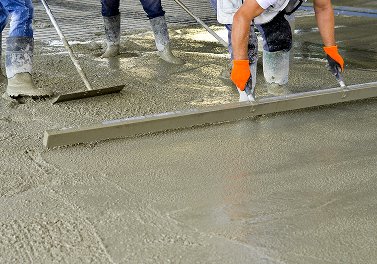
How to prevent it: Set levels across the whole area before you start, rule off carefully with a straightedge and check flatness before the screed sets. A consistent mix, from either a screed binder or a ready mix screed, makes it much easier to achieve uniform levels.
What you see: Floor finishes such as wood, vinyl or carpet develop bubbles, swelling, mould or adhesive failure weeks after installation.
Why it happens:
How to prevent it: Allow enough drying time based on the product’s technical data sheet and the screed thickness. A commonly quoted rule of thumb for traditional sand-cement screeds is around one day per millimetre for the first 40 mm, with slower drying beyond that. Test moisture levels before laying sensitive finishes.
Look closely at these five problems and one theme keeps appearing: variation. Different sand, different ratios, different water content and different workmanship from batch to batch. This is why many contractors are moving to engineered products:
Both options reduce guesswork and make good results far more repeatable from one floor to the next.
It depends on the extent of the damage. Fine, stable hairline cracks may be treated before tiling. Small hollow areas may be cut out and replaced. But if large areas are hollow, weak or badly cracked, the most reliable fix is usually to remove and re-lay the screed. Tiling over a failed screed only hides the problem until it shows up again in the finish.
A floor is only as strong as its weakest layer, and that is often the screed. By controlling water, preparing the slab, compacting well and using consistent materials, you can avoid most screed failures before they start. Explore our complete flooring solutions range, or speak to CP Global Products, a premixed screed supplier in India, for advice on the right screed for your site.
Cracks are mainly caused by excess water in the mix, rapid drying from sun or wind, missing movement joints and inconsistent site mixing. Controlling water content and protecting the fresh screed helps prevent them.
A hollow sound usually means the screed has lost its bond with the slab. This is often caused by a dusty or contaminated slab, a bonding slurry that dried before screeding, or edge curling due to shrinkage.
Use clean, well-graded sand or a ready mix screed, compact the screed thoroughly, avoid adding water or dry cement during finishing and cure the screed properly.
Drying time depends on the product, thickness and site conditions. For traditional sand-cement screeds, a common rule of thumb is about one day per millimetre for the first 40 mm. Always follow the technical data sheet and test moisture before laying sensitive finishes.
Yes. A cement screed binder provides factory-controlled performance, better workability at lower water content and more controlled shrinkage, which helps reduce cracking, hollowness and weak surfaces.