Common Floor Screed Problems and How to Prevent Them
17/11/2026

A newly tiled floor or wall can look perfect on handover day. Then, a few months later, the problems begin: a hollow sound underfoot, a cracked tile near the doorway, grout lines that crumble or tiles that start to lift on the balcony.
Most of these failures are not caused by bad tiles. They come from a handful of avoidable mistakes during installation. Here are seven of the most common tiling mistakes seen on Indian projects, and how to avoid them with good practice and a professional tile adhesive.
Tile adhesive needs a clean, sound and reasonably flat surface to bond properly. Dust, oil, curing compounds, loose plaster or old paint all weaken the bond.
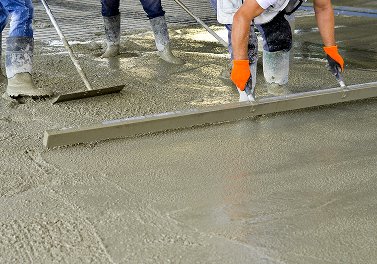
How to avoid it: Clean the surface thoroughly, remove anything loose or flaking, and repair cracks before tiling. If the floor is uneven, level it first with a suitable screed from our flooring solutions range instead of trying to correct levels with extra adhesive.
One adhesive does not suit every job. A basic adhesive that works for small ceramic tiles indoors may not grip a large vitrified tile on an exterior wall.
How to avoid it: Match the adhesive to the tile size, tile type and location:
You can compare all options in our tile and stone fixing solutions range.
Applying a few dabs of adhesive or mortar to the back of each tile is quick, but it leaves large empty spaces underneath. These voids lead to hollow sounds, cracked tiles under load and water collecting behind wall tiles.
How to avoid it: Spread the adhesive evenly with a notched trowel and comb it in straight lines. For larger tiles, back-butter the tile as well to achieve near-full coverage.
It is tempting to add extra water to make adhesive easier to spread, or to “revive” adhesive that has started to stiffen. Both weaken the final bond.
How to avoid it: Use the exact water quantity on the bag, mix with a mechanical paddle and only prepare as much adhesive as you can use within its pot life. Discard adhesive that has started to set.
Once spread, adhesive starts to form a skin on its surface. If tiles are placed after this skin forms, they will not bond properly, even if they seem firm at first.
How to avoid it: Spread adhesive over small areas at a time, especially in hot or windy conditions. Touch the adhesive with a fingertip. If it does not stick to your finger, remove it and apply fresh adhesive.
Buildings, floors and tiles expand and contract with temperature and moisture. Without room to move, tiles can crack, tent or pop up, particularly on large floors, terraces and areas exposed to sunlight.
How to avoid it: Leave perimeter gaps at walls and columns, place movement joints over structural joints and at regular intervals in large areas, and fill them with a flexible sealant rather than grout.
Rushing to grout or allowing foot traffic before the adhesive has set can shift tiles, break the bond and cause uneven grout lines.
How to avoid it: Follow the setting and grouting times in the adhesive’s technical data sheet, and protect freshly tiled areas from traffic until they are ready.
Even the best tiling technique cannot make up for poor-quality materials. When choosing a tile adhesive supplier in India, look for:
As a construction adhesive supplier in India, CP Global Products offers tile adhesives and flooring solutions designed to help contractors avoid these common failures.
Good tiling is about more than straight lines and neat grout. It starts with a sound surface, the right tile adhesive in India for each tile and location, full coverage and patience during setting. Avoid these seven mistakes and your floors and walls will stay beautiful, solid and trouble-free for years.
The most common cause is poor adhesive coverage, often from spot-fixing tiles with dabs of adhesive or mortar. Other causes include a dusty or uneven surface and placing tiles after the adhesive has skinned over.
Tiles often crack because of voids under the tile, movement in the substrate, missing movement joints or a weak screed underneath. Using full adhesive coverage and proper joints helps prevent cracking.
Touch the spread adhesive lightly with your fingertip. If adhesive does not transfer to your finger, a skin has formed and the open time has passed. Scrape it off and apply fresh adhesive.
Exterior areas face heat, rain and movement, so use a flexible, deformable adhesive suitable for exterior use, such as an S1-class adhesive. Always check the product’s technical data sheet for exterior suitability.
The waiting time depends on the adhesive and site conditions. Always follow the setting and grouting times given in the adhesive manufacturer’s technical data sheet before grouting or allowing foot traffic.