Common Floor Screed Problems and How to Prevent Them
17/11/2026

Large format tiles, such as 600 × 1200 mm vitrified tiles, 800 × 1600 mm slabs and even bigger panels, have transformed Indian interiors. Fewer grout lines make rooms look larger, cleaner and more premium. But these tiles are far less forgiving than small ceramics. A slightly uneven floor, the wrong adhesive or poor coverage can quickly lead to lippage, hollow sounds and cracked tiles.
This guide walks you through how to fix large format tiles correctly, from surface preparation to choosing a high performance tile adhesive in India.
Large tiles behave differently from small ones for three reasons:
That is why both the substrate and the adhesive need more attention than with standard tiles.
Flatness is the single biggest factor in a good large-tile installation. A common guideline is no more than about 3 mm deviation under a 2 m straightedge, though you should follow the tile manufacturer’s recommendation.
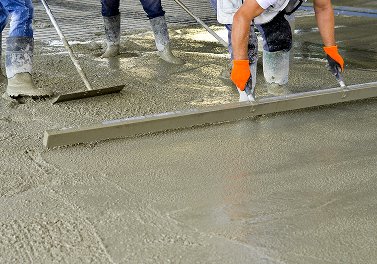
If the floor is out of level, do not try to fix it with extra adhesive. Instead, level it first with a proper screed. A ready-to-use product such as Procem Easy Screed 1080 gives a consistent, flat base that is ready for tiling once it has dried as per the data sheet. On walls, correct uneven plaster before tiling.
Large format tiles need a polymer-modified, high-strength adhesive that offers strong grip on dense tiles and good resistance to slipping on walls.
Add the adhesive powder to the recommended amount of clean water and mix with a slow-speed mechanical paddle until smooth and lump-free. Let it rest for a few minutes, then remix briefly. Do not add extra water later to “refresh” adhesive that has started to stiffen.
Larger tiles need a thicker, more even adhesive bed. Use a bigger notch size than you would for small tiles, as recommended in the adhesive data sheet. Comb the adhesive in straight, parallel lines rather than swirls. Straight ridges let air escape when the tile is pressed down.
Back-buttering means spreading a thin, flat coat of adhesive on the back of the tile before placing it. For large format tiles, this step is essential. It fills small hollows in the tile back and helps achieve near-full contact, which is critical on floors with heavy traffic and on exterior surfaces.
Place the tile and slide it slightly across the ridges to collapse them. Use a rubber mallet or a tile vibrator to bed it in fully. A tile levelling system with clips and wedges helps keep neighbouring tiles flush and reduces lippage. Lift a tile occasionally to check coverage.
Large tiled areas need movement joints at the perimeter, at doorways and at regular intervals as specified. Do not butt tiles tight against walls. Wait for the adhesive to set as per the data sheet before grouting or allowing traffic.
Large format tiles reward careful work with a seamless, high-end finish, but they leave little room for shortcuts. A flat base, a quality wall and floor tile adhesive and proper back-buttering make all the difference. Explore our full tile and stone fixing solutions to find the right adhesive for your next large-tile project.
A polymer-modified, high-strength adhesive such as a Type 3 tile adhesive is suitable for most large format vitrified tiles. For very large tiles, exterior areas or surfaces exposed to movement and heat, a flexible S1-class adhesive is recommended.
Yes. Back-buttering large format tiles helps fill hollows in the tile back and achieve near-full adhesive contact, which reduces the risk of hollow sounds, cracking and debonding.
A common guideline is no more than about 3 mm deviation under a 2 m straightedge. Always check the tile manufacturer’s recommendation and level the base with a suitable screed if it is out of tolerance.
Yes. Large tiles can be fixed on walls using a high-strength, non-slip polymer-modified adhesive. The wall must be flat and sound, and the adhesive should be suitable for the tile’s size and weight.
Hollow sounds are usually caused by poor adhesive coverage, spot-fixing, an uneven base, adhesive that has skinned over before the tile was placed, or the wrong adhesive for dense, heavy tiles.