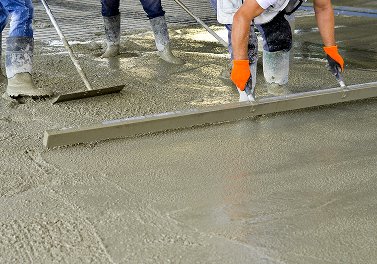
Common Floor Screed Problems and How to Prevent Them
17/11/2026



Every good floor starts below the surface. Whether you are laying vitrified tiles in an apartment, fixing wooden flooring in an office, or finishing a warehouse slab, the screed underneath decides how level, durable and crack-free the final surface will be. That is exactly why more contractors and builders are turning to a dedicated screed binder instead of relying only on the traditional cement-and-sand mix.
In this guide, we explain what a screed binder is, how it works, where it is used and what to check before you choose a screed binder supplier in India.
A screed is a thin layer of cementitious material laid over a concrete slab to create a smooth, level base for the final floor finish. Conventional screed is made on site by mixing cement, sand and water, usually in a 1:4 or 1:5 ratio.
A cement screed binder is a specially engineered, factory-blended binder that replaces or upgrades ordinary cement in that mix. You add it to clean, well-graded sand and water on site, and it delivers a screed with better workability, controlled shrinkage and more predictable strength than a typical site-batched mix.
Many floor problems in Indian buildings trace back to the screed rather than the tiles. The most common issues include:
Most of these failures come from inconsistent site batching and water added “by eye”. A floor screed binder reduces this variability because the critical chemistry is controlled in the factory.
Because the binder is pre-formulated, every batch behaves the same way. You get uniform strength and surface quality from the first room to the last.
Good screed binders are designed to give a workable, easy-to-compact mix at a lower water content. Less water means less shrinkage and a denser, stronger screed.
Controlled shrinkage helps minimise surface cracks and edge curling, which are the main reasons tiles crack or sound hollow months after installation.
Depending on the product, a binder-based screed can take foot traffic and floor finishes sooner, helping contractors meet tight schedules.
A screed binder is suitable for a wide range of residential, commercial and industrial applications in India, including:
For example, Procem screed binder from CP Global Products is designed for contractors who want the control of a site-mixed screed with the reliability of a factory-engineered binder.
While you should always follow the manufacturer’s technical data sheet, the general process looks like this:
Choosing the right screed binder supplier in India matters as much as the product itself. Look for:
If you prefer a fully pre-blended product that only needs water, it is also worth working with a premixed screed supplier in India that offers both binders and ready-to-use screeds. You can explore both options in our flooring solutions range, including the Procem Easy Screed 1080 ready mix screed for projects where speed and convenience come first.
A screed binder is ideal when you have good-quality local sand and want flexibility in mixing larger volumes on site. A ready mix screed is better when sand quality is uncertain, storage space is limited or you want the simplest possible process.
The screed may be hidden under the tiles, but it carries the entire floor. Using a quality screed binder in India helps you build floors that stay level, resist cracking and give tiles and other finishes the solid base they need. For product guidance or bulk supply, explore CP Global Products and talk to our team about the right flooring solution for your project.
A screed binder is used to make cement-based floor screeds. It is mixed with sand and water on site to create a level, durable base layer over a concrete slab before laying tiles, stone, wooden or vinyl flooring.
Ordinary cement only provides basic binding. A cement screed binder is factory-formulated to improve workability, control shrinkage and deliver more consistent strength, which helps reduce cracks, hollow areas and uneven floors.
Yes. A floor screed binder can be used on new concrete slabs as well as in renovation work where existing floors need to be re-levelled, provided the base surface is clean, sound and properly prepared.
A screed binder is mixed with sand and water on site, while a ready mix screed already contains the binder and graded aggregates, so it only needs water. Ready mix screed is more convenient, while a binder offers more flexibility for large site-mixed volumes.
Choose a supplier that provides clear technical data sheets, consistent batch quality, on-site technical support and dependable stock availability. A supplier with a complete flooring range also makes it easier to use compatible screeds and tile adhesives together.