A Complete Guide to Waterproofing Your Bathroom and Wet Areas
13/06/2026

Introduction
Underground structures face the toughest waterproofing challenge of all: constant hydrostatic pressure, chemical exposure from soil, plant roots, and zero access for repairs once construction is complete. Getting it right the first time is essential. That is why engineers across the world increasingly specify HDPE waterproofing membranes for basements, tunnels, and foundations.
What Is an HDPE Membrane?
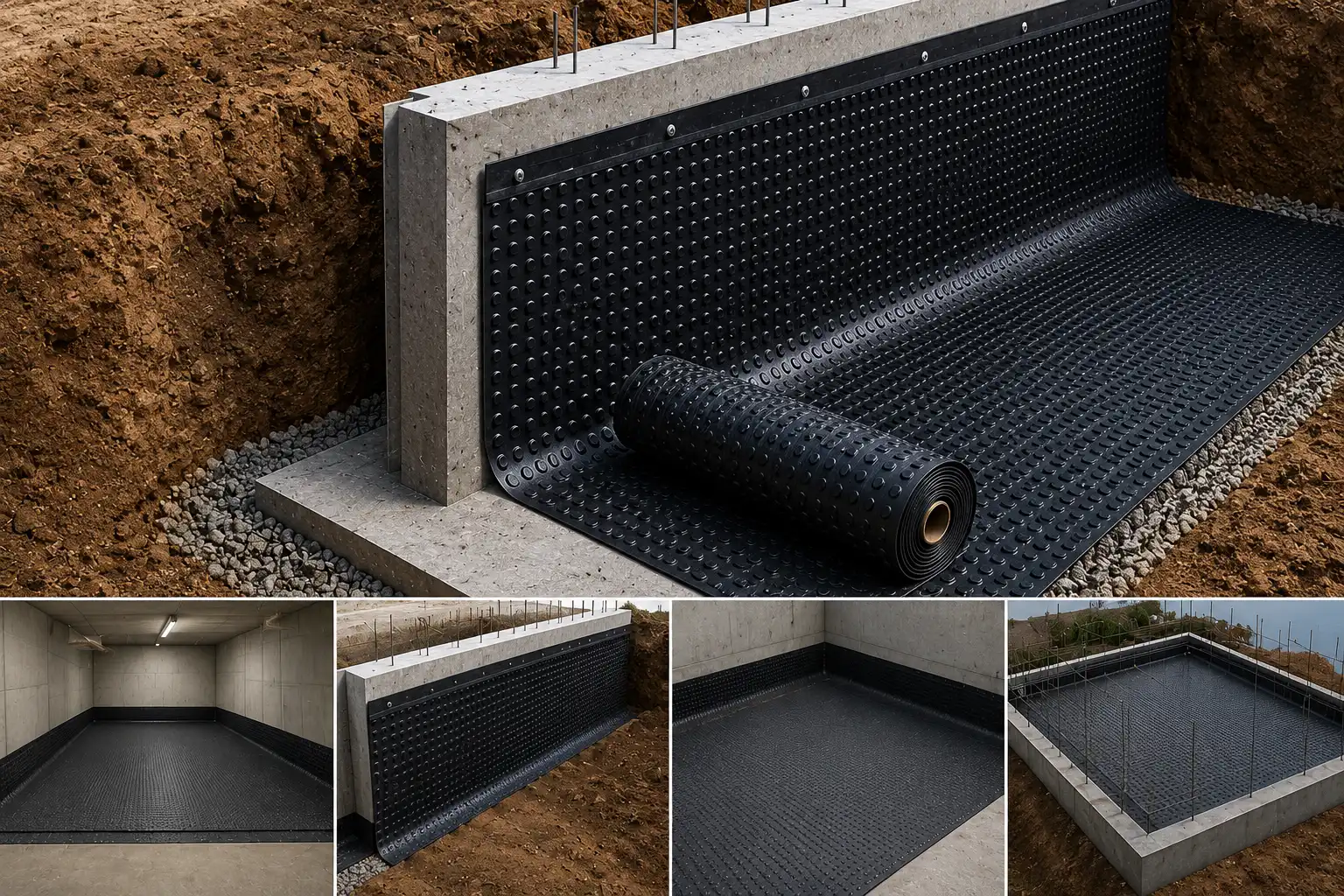
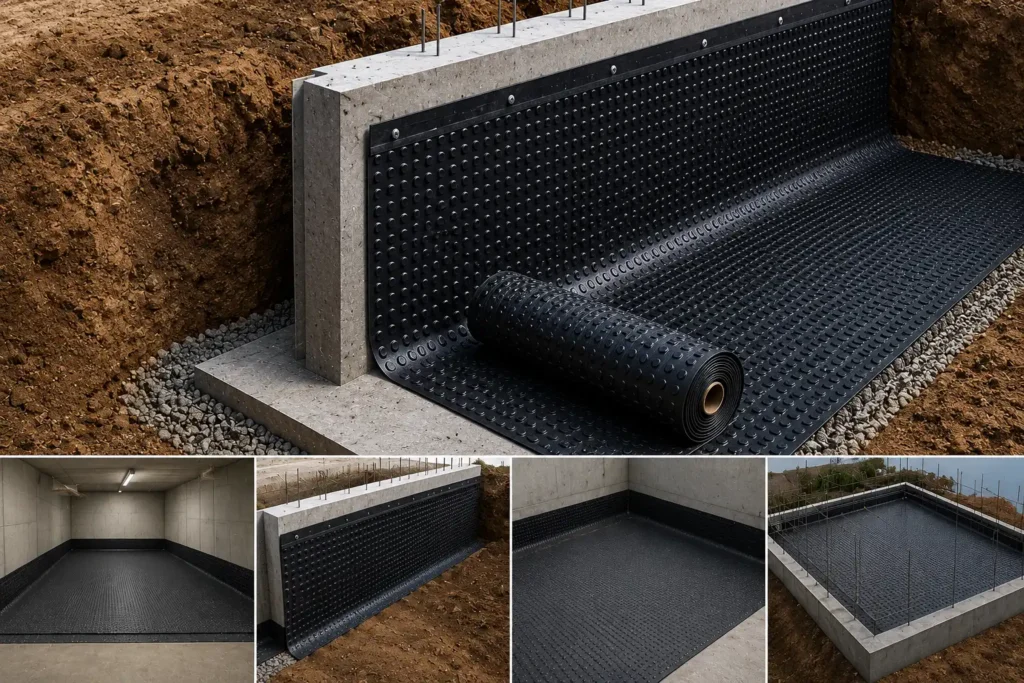
HDPE stands for High Density Polyethylene. CP Global HDPE membranes are durable, flexible, and chemically resistant sheets designed to protect structures from water infiltration. They offer high resistance to punctures, hydrostatic pressure, and lateral water migration, which makes them ideal for below grade applications.
Key Advantages
Where to Use HDPE Membranes
HDPE membranes are the preferred solution for basements, tunnels, foundations, podium decks, water retaining structures, and landfill or pond lining applications. Anywhere water pressure from the ground threatens a structure, HDPE delivers dependable, long term protection.
HDPE vs Traditional Concrete Waterproofing
Concrete based waterproofing remains the most widely used method in civil engineering, but it is slow to build, costly, and prone to cracking over time. HDPE membranes install rapidly, flex with the structure, resist chemicals and roots, and cost less over the life of the project. For modern underground construction, the choice is clear.
Conclusion
A basement leak discovered after handover is one of the most expensive defects in construction. Specifying a CP Global HDPE membrane at design stage gives your project decades of reliable protection at a lower cost than conventional methods. Contact our team for membrane specifications, supply details, and installation guidance.